Important tax deadline approaching fast
With all the focus on the forthcoming Budget this month, it is easy to forget that 31 October is a key tax deadline in the annual calendar. What is it, and what are the consequences of missing it?
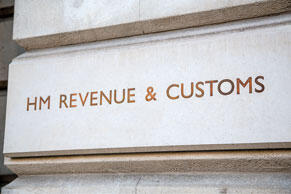
The deadline for filing the annual tax return is 31 January. Everyone knows that - after all, that's the month all the reminder adverts start appearing in the media. However, the 31 January deadline only applies to returns that are submitted electronically. Unlike companies, individuals can still fill in a paper return and submit it to HMRC. The only problem is that the corresponding deadline is three months earlier, i.e. 31 October. If this is missed, a £100 penalty will be applied. Of course, this can be avoided by submitting an electronic return before 31 January, but for some people this isn't practical. For example, they may not have access to a computer.
In some circumstances, a return is incapable of being accepted electronically due to HMRC's system. In these instances a paper return is the only option, and an extended deadline of 31 January applies. A late filing penalty would initially be charged, but known issues will be accepted as a reasonable excuse upon appeal. A list of current issues is availaible for 2020/21.
Related Topics
-
Deadline to pay Class 1B NI
-
Company owners' personal tax affairs under scrutiny
Company owners are being urged to check their personal tax affairs as a new compliance campaign focuses on transactions between limited companies and the people who control them. Loans, personal expenses and the use of company assets are among the areas attracting attention. Could you have overlooked a tax liability?
-
HMRC speeds up National Insurance refunds
HMRC has confirmed that it is using a new automated process to speed up National Insurance refunds. Where its records suggest that someone may have overpaid, HMRC will write to them asking them to check their employment and contribution details before any refund is processed. Could you be due money back?